
Vocationally Focused Therapy in Calgary
Back to work, and back to themselves.
Lihtan Therapy Collective provides vocationally focused therapy in partnership with disability insurers, case managers, rehabilitation consultants, vocational rehabilitation specialists, medical coordinators and health advisors.
Based in Calgary, we offer in-person care locally and virtual services across Alberta and select provinces, depending on the clinician's credentials and scope of practice.
At the heart of our work is a simple belief: returning to work is about more than getting back to work. It is about helping people get their lives back.
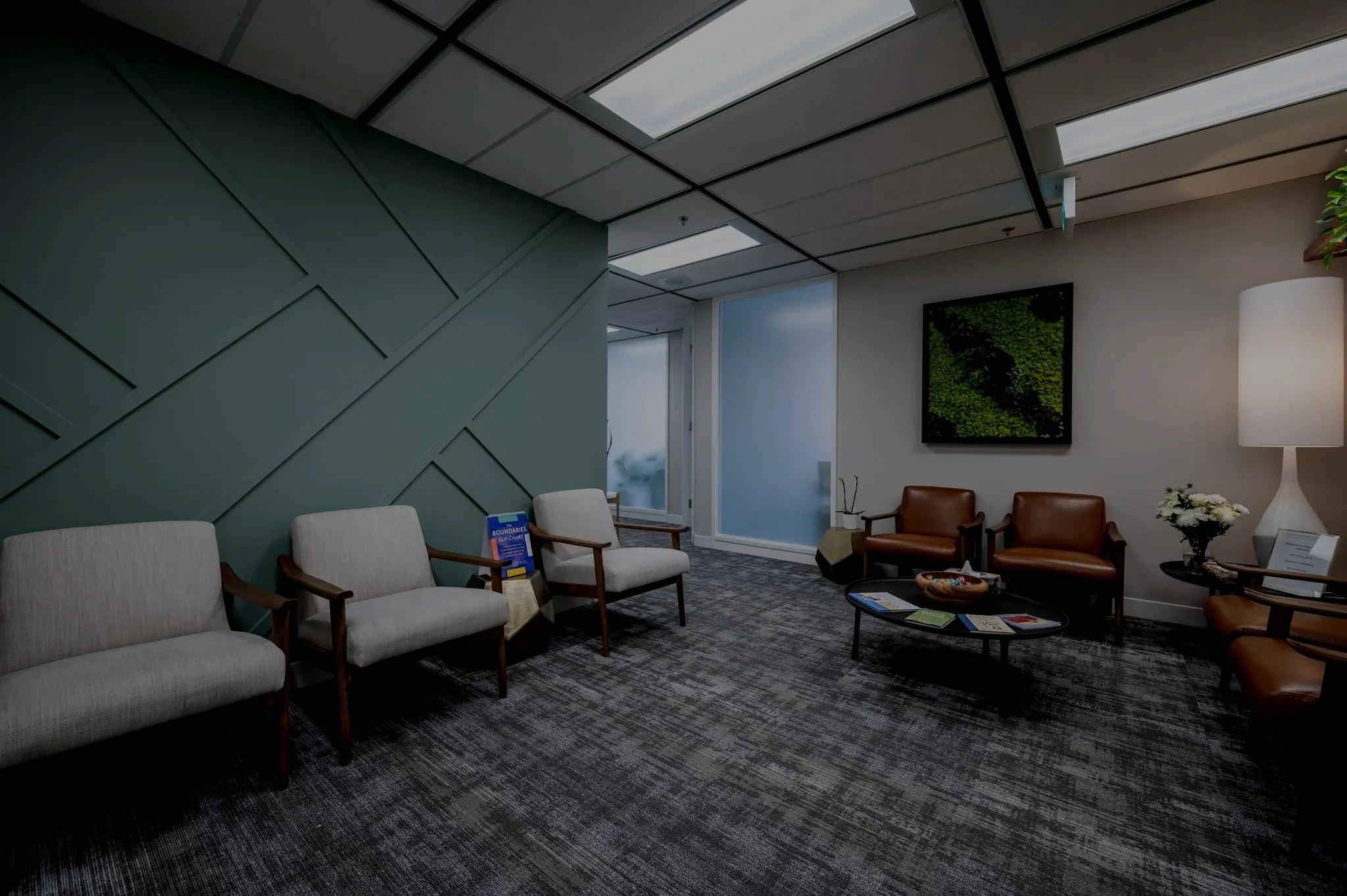

Vocationally focused therapy in Calgary, built on trauma expertise
Lihtan Therapy Collective is a Calgary-based trauma-focused practice. We are not a general counselling clinic that also sees trauma. Trauma is our clinical specialty, and our vocationally focused therapy brings that expertise to disability and return-to-work files.
That distinction matters when a presentation is complex, previous treatment has not produced a durable outcome, or a claimant is struggling to re-engage with care.
We support a broad range of mental-health presentations, including:
Anxiety, depression, burnout and adjustment-related concerns
Post-traumatic stress and complex trauma
Late-diagnosed or undiagnosed ADHD
Addiction and substance use
Motor vehicle accident and medical trauma
The psychological impact of a prolonged absence from work
The Lihtan team is guided by directors Sara Lazareck and Abby Logan, who bring more than 55 years of combined clinical experience. Our therapists draw on Accelerated Resolution Therapy, Deep Brain Reorienting, Dialectical Behaviour Therapy, Acceptance and Commitment Therapy, Cognitive Behavioural Therapy, Internal Family Systems and art therapy. Treatment is matched to the person rather than applied from a template, with referrals supported by the therapist whose experience and approach best fit the client’s needs.
-
Our reporting is designed to give a clear picture of progress, current function, barriers and next steps. Depending on the needs of the file, this may include:
Intake, progress and discharge reports
Current functional capacity and work-related limitations
Psychological barriers affecting return to work or sustained work participation
Treatment goals, interventions and measurable progress
Recommendations related to vocational planning and work readiness
Evidence-based screening and outcome measures where clinically appropriate
Five years of vocationally focused work in partnership with disability insurers means we understand the information commonly needed to support timely, informed decisions.
-
Our role is not to extend treatment indefinitely. We provide the specialized care needed to help a claimant make meaningful progress toward the agreed objective.
We work collaboratively with the claimant, referral partner and broader care team to address barriers limiting recovery, function or work participation. When treatment is no longer clinically indicated, our discharge reporting will make that clear.
-
Treatment cannot be effective if a claimant disengages before meaningful progress occurs.
We take a relational, trauma-informed approach that helps people feel safe enough to participate honestly in therapy, particularly those who have withdrawn from treatment or had difficult experiences with care.
Building trust early supports consistent attendance, clinical progress, functional improvement and a return to work that is more likely to last.
When Lihtan is the right referral
Lihtan may be a strong fit when:
Trauma or complex psychological factors are affecting recovery, function or work participation
Previous counselling has helped stabilize the claimant, but they now need more focused support to move forward
A claimant has disengaged from previous mental-health services
The psychological picture is the limiting factor in a return to work
A simple referral process
Referring a client for vocationally focused therapy takes one email or phone call, just as you would with any other provider. Once the referral is received, we contact the claimant within one to two business days. Treatment typically begins within two weeks, but may begin sooner if needed or if therapist availability allows.
From there, we manage the intake process, begin treatment and stay connected with the broader care team throughout the file. This may include phone calls, meetings and reporting relevant to the agreed return-to-work objective.
Sessions are available in person at our Southland Tower office on Southport Road or virtually through Jane and/or Microsoft Teams, both PIPA-compliant platforms for virtual care.

Discuss a referral
If you are looking for a return-to-work mental health therapist for a current claim, or would like to discuss how Lihtan could work with your organization, we would be glad to hear from you.

Group support for claimants on medical leave
We also run a 16-week virtual DBT skills group covering mindfulness, distress tolerance, emotion regulation and interpersonal effectiveness. It's trauma-informed, with additional focus on how trauma affects emotion regulation.
If you have a client who would benefit, whether they are on medical leave or still at work, contact us directly to register them.